
When Should You Use Lining Paper Before Painting?
Fresh paint can transform a room, but paint alone cannot hide every problem underneath it. When a wall has fine cracks, uneven porosity or small surface defects, lining paper before painting can create a more consistent base and improve the final appearance.
It is not a shortcut for damaged plaster, and it is not suitable for every wall. The right decision depends on the condition of the surface, the finish you expect and how much preparation the wall needs. This guide explains when lining paper is useful, when another repair method is better and what proper preparation involves.
What is lining paper?
Decorators fit lining paper to a prepared wall or ceiling. Unlike decorative wallpaper, it creates a stable, even surface for paint or finishing wallpaper.
Different grades are available. Lighter grades may suit relatively sound walls with minor imperfections, while heavier grades can help disguise more noticeable texture. The grade should be chosen for the actual condition of the wall rather than simply selecting the thickest paper available.
When is lining paper before painting a good option?
Lining paper is often a practical option when the wall is fundamentally sound but the surface is not quite ready for a clean painted finish. Typical examples include:
- fine hairline cracks that are not actively moving;
- small dents, sanding marks or minor patches;
- uneven absorption after old wallpaper has been removed;
- a mix of older plaster and local filler repairs;
- slight surface texture that would remain visible through paint;
- walls where a more uniform base is wanted before decorating.
In these situations, lining paper can reduce the visual contrast between repaired and unrepaired areas. Once it has dried properly, a suitable paint system can provide a consistent colour and finish across the room.

When another wall repair is needed
Lining paper prepares a surface for decoration; it does not provide a structural repair. Do not use it to conceal damp, loose plaster, significant movement cracks, mould or a wall that is crumbling underneath.
If a wall sounds hollow, has blown plaster, shows recurring moisture marks or has cracks that continue to widen, investigate the cause first. Paper may hide warning signs temporarily, but the defect can return through the finished decoration.
Essential preparation steps
Good wall preparation before painting has a greater effect on the result than the paper alone. A professional sequence normally includes several of the following steps:
- Remove loose wallcoverings. Remove old wallpaper, flaking paint and weak adhesive residue.
- Inspect the wall. Identify damp, loose plaster and deeper cracks before decoration begins.
- Clean and repair. Wash off remaining paste, fill defects and reduce proud areas.
- Sand the surface. Feather filler edges and rough patches so they do not show through the paper.
- Control suction. Porous surfaces may need sizing or another preparation recommended for the chosen adhesive and substrate.
- Hang the paper accurately. Joints should meet cleanly without overlaps, gaps or trapped air.
- Allow adequate drying. Painting too soon can interfere with adhesion and may make seams or bubbles more visible.
Walkergate project: from dark wallpaper to white walls
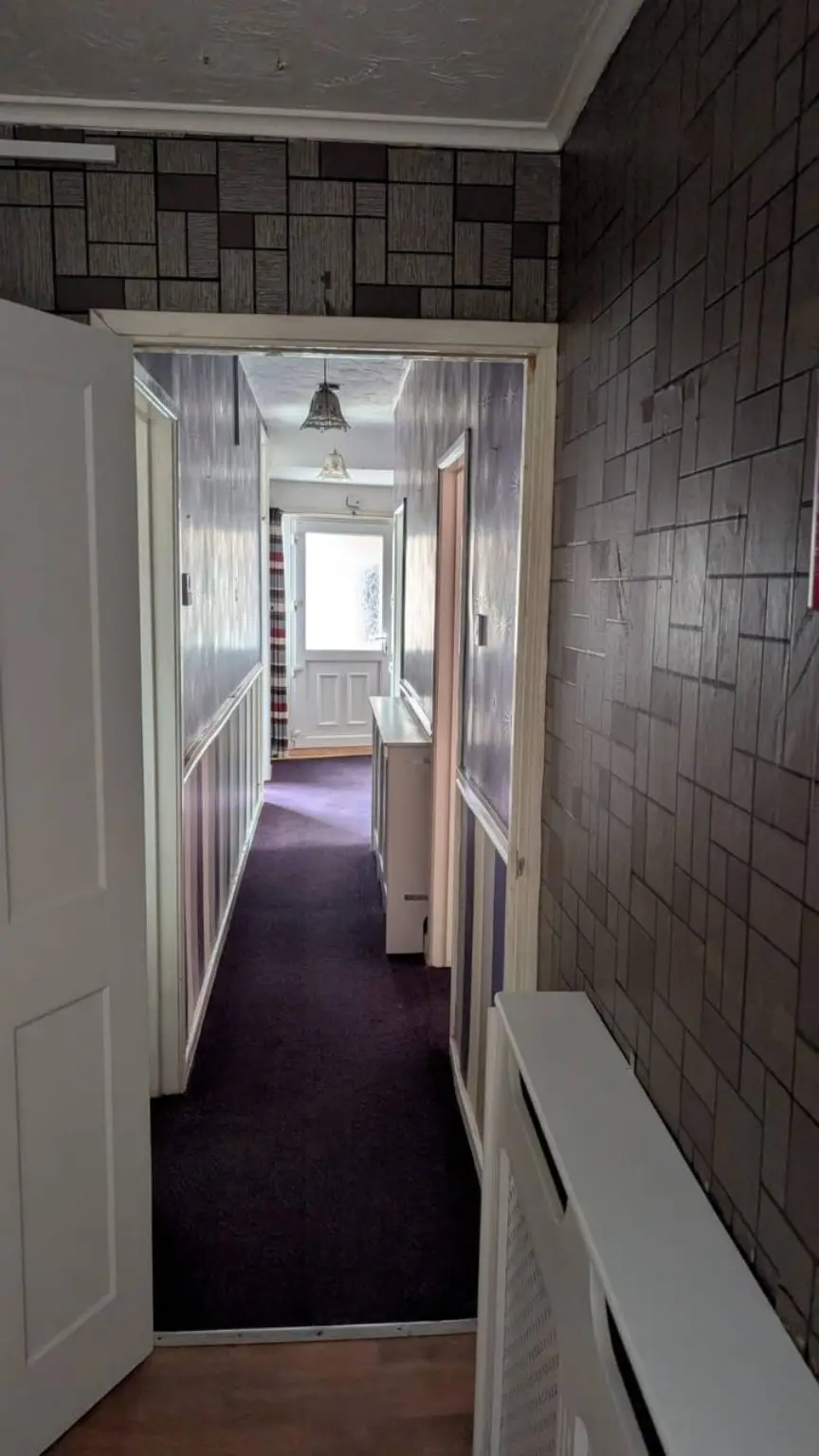
Handyman MultiFix recently completed a decorating project in Walkergate, Newcastle upon Tyne. The property had dark patterned wallpaper across several areas, which made the interior feel enclosed and reduced the effect of the available daylight.
Handyman MultiFix removed the old decorative wallpaper to assess the walls properly. We prepared and repaired local defects and weak areas, then installed lining paper wherever it offered the most suitable base. Finally, we applied white paint to create a brighter and more consistent interior.
You can view the full before-and-after record on our Walkergate wallpaper removal, lining paper and painting project page.
What finish should you expect?
It can make minor imperfections less noticeable, but it does not create the same result as replastering or a full skim coat. Deep hollows, prominent ridges and poorly repaired cracks may still be visible, particularly in strong side-light from a window.
A realistic assessment matters. If you want a completely flat, high-specification finish, more extensive plaster repair may offer better value. If you want to improve a sound but imperfect wall without replacing all the plaster, lining paper can provide a sensible middle option.
Why old wallpaper usually needs removing
In most cases, yes. Applying new lining paper over unknown or poorly bonded wallpaper creates unnecessary risk. The existing paper may lift when it absorbs moisture from fresh adhesive, and old seams or texture may show through the new finish.
Removing the decorative wallpaper also reveals the true condition of the wall. That makes it possible to repair defects, clean away paste and choose the right preparation instead of relying on what appears sound from the surface.
Applying the final paint finish
Only paint after the paper has fully dried and you have checked the joints. Drying time varies with ventilation, room temperature, wall suction, adhesive and paper grade, so assess the surface instead of relying on one fixed number of hours.
Fitting lining paper does not automatically mean the surface needs a mist coat. The correct paint and first-coat approach should follow the paper and paint manufacturers’ instructions. For product-specific guidance, consult the technical information supplied by the manufacturer, such as ERFURT Mav lining paper guidance.
Decorating services in Newcastle
If you are unsure which wall preparation before painting your room needs—lining paper, local filling repairs or more extensive plaster work—the best starting point is an on-site assessment. Handyman MultiFix provides wallpaper removal, wall preparation, lining paper installation and interior painting in Newcastle upon Tyne and surrounding areas. For a different decorative finish, see our recent wallpaper removal and new wallpaper installation project in Newcastle NE13.
To discuss a room or request an assessment, contact Handyman MultiFix. We can review the existing surface and recommend a preparation method that matches the condition of the wall and the finish you want.
Frequently asked questions
Can lining paper cover cracks?
It can help disguise stable hairline cracks after suitable preparation. Do not use it to hide wide, moving or recurring cracks; investigate those defects and choose an appropriate repair.
Can you paint directly onto lining paper?
Yes. Paintable lining paper provides a decorating surface, but let it dry fully and check that it remains securely bonded and free from visible adhesive before painting.
Is thicker lining paper always better?
No. A heavier grade can help with more noticeable texture, but it is harder to work around corners and details. The grade should suit the wall condition and the installer’s method.
Does lining paper replace plastering?
No. It is useful for minor surface imperfections on a sound wall. Repair loose, blown or badly damaged plaster instead of covering it.
How long should lining paper dry before painting?
Drying depends on room conditions, wall suction, adhesive and paper grade. Wait until the paper is evenly dry and stable, and follow the product instructions before applying paint.