
How to Prepare Walls Before Painting in Newcastle
Knowing how to prepare walls before painting can make a noticeable difference to the final finish. During this Newcastle decorating project, the first inspection found surface marks, a worn corner and wallpaper lifting behind a radiator. These are the small details that need attention before a tin of paint is opened.
Painting straight over a damaged or dusty surface may leave lines, rough patches or loose edges visible. Preparation takes time, but it gives the new coating a sounder and more even surface.
Start with a close inspection
Check the walls in good daylight and look from more than one angle. You can easily miss scuffs, old filler, dents and raised wallpaper edges when looking straight at the wall.
In this room, there were dark marks across one wall, damage around a corner and loose wallpaper behind the radiator. Check carefully around the radiator, as the narrow space makes old or lifting wallpaper harder to spot.
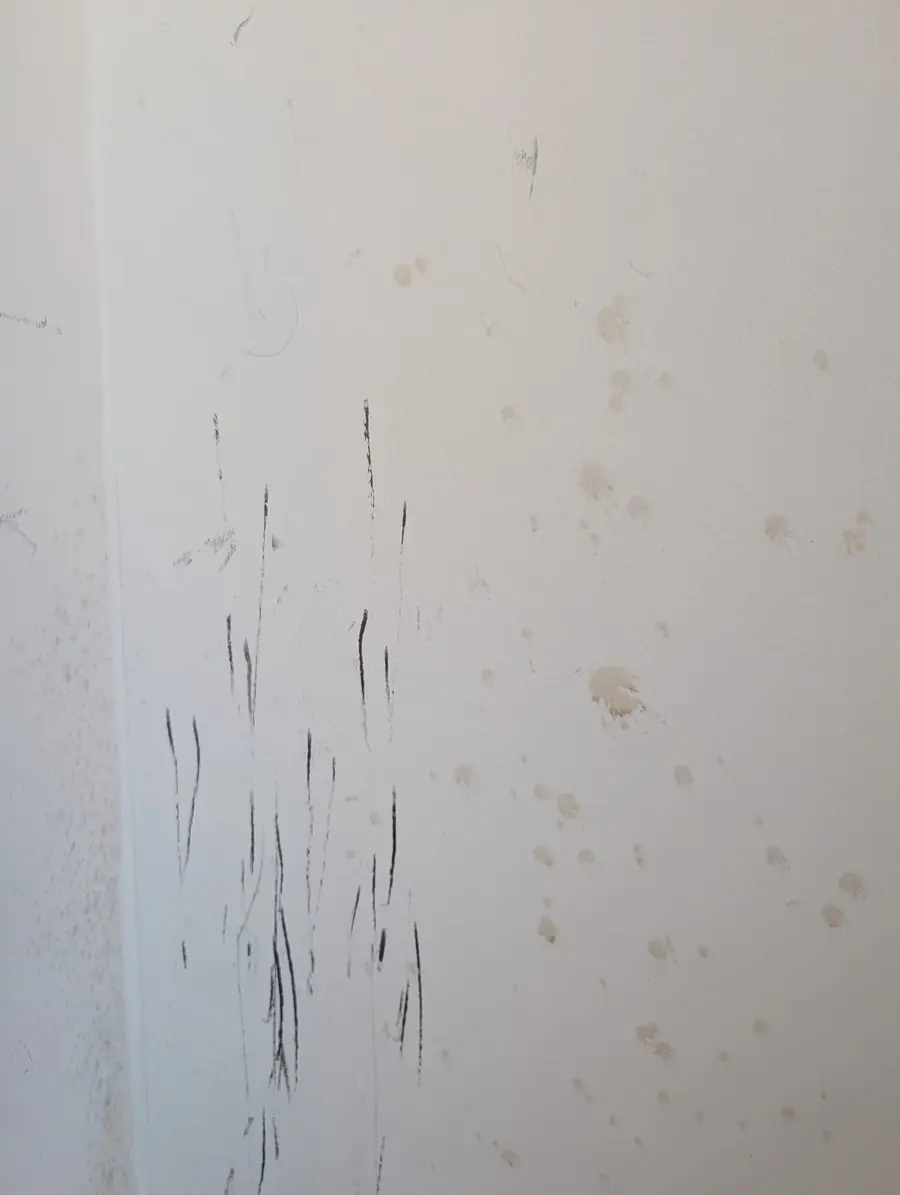
How to prepare walls before painting
- Protect the floor, nearby furniture and fittings before starting.
- Remove loose material rather than trying to hide it beneath paint.
- Fill holes, dents and damaged edges with a suitable filler.
- Let the filler dry fully, then sand it level with the surrounding wall.
- Remove sanding dust and clean off marks or residue.
- Check the surface again before applying the appropriate primer or first coat.
Rushing between filling and sanding often leaves a raised patch. It is worth running a hand lightly over the repair and viewing it from the side before moving on.

Deal with loose wallpaper properly
Paint will not secure wallpaper that has already lifted. First, check each loose section and deal with it before applying a new finish over the edge.
The photograph from this project shows a long section lifting behind the radiator. This is an awkward area, so check the access and radiator temperature before starting work. If the work requires removing or altering the radiator, ask someone competent to carry it out safely.
Filling, sanding and cleaning
Careful wall preparation before painting includes neat filling, controlled sanding and thorough dust removal. Apply filler only where it is needed and work it neatly into the damaged area. Once it dries, sand it back carefully to limit dust around the room. Take particular care around corners and keep the line straight rather than rounding it with excess filler.
After sanding, remove dust from the wall, skirting area and nearby surfaces. Then check the clean wall for anything that still needs attention. This also stops loose dust from mixing with the paint.
Check the wall before painting
The last check is simple but useful. Look for visible ridges, pinholes, remaining loose edges and patches that still feel rough. Any problem found at this stage is usually easier to correct before painting begins.
These photographs show the inspection and preparation stage. We did not have a completed after photograph when we prepared this article.
Painting and wall preparation in Newcastle
Handyman MultiFix provides painting, decorating and wall preparation services in Newcastle upon Tyne and nearby areas. For a recent example, see our wallpaper removal and installation project in Newcastle NE13. You can also view recent Handyman MultiFix projects to see examples of other repair and improvement work.
If you have marked walls, damaged corners or loose wallpaper that needs attention before decorating, contact Handyman MultiFix and send a few clear photographs of the area.
FAQs
Do walls need to be washed before painting?
Remove marks, dust and residue before painting. The cleaning method depends on the existing surface and coating, so test a small area first and avoid leaving the wall wet. The Dulux guide to preparing walls for painting also explains how to wash the surface, check for damage and prepare filled areas.
Can I paint over small cracks and dents?
Paint may cover the colour, but it will not level the damage. Small cracks and dents normally need suitable preparation, filling and sanding first.
Can loose wallpaper be painted over?
Painting over a loose edge is likely to leave an uneven and unstable surface. Assess and secure the loose area before painting. Preparing walls for painting properly at this stage will leave a more stable surface.